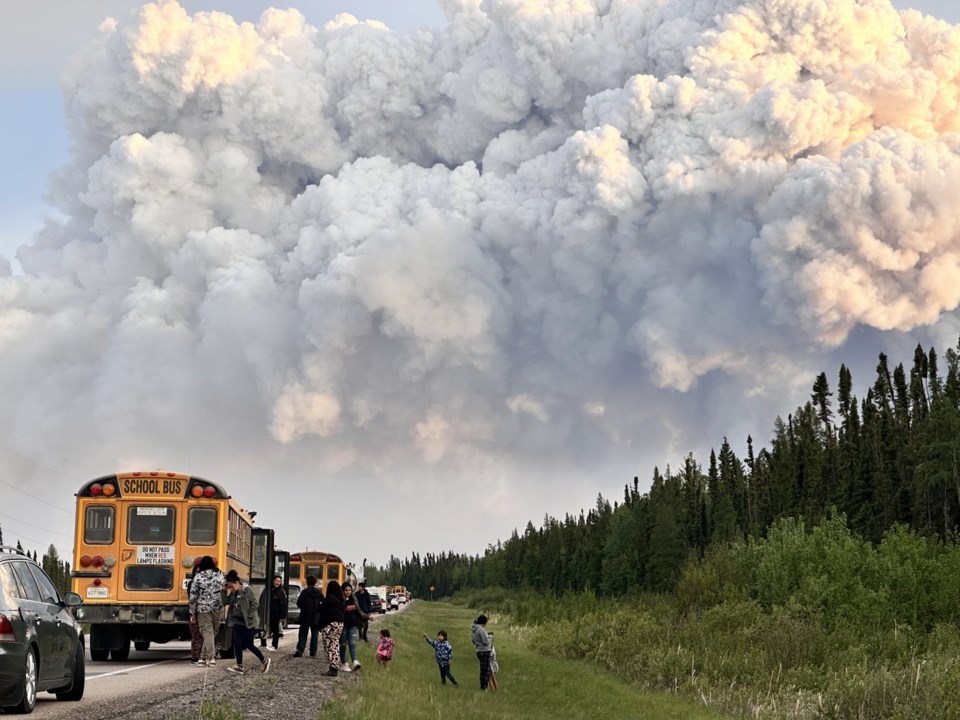
Wildfires have become more common across Ontario in recent years. Large wildfires, like the ones we have seen in 2026, can release smoke hundreds to even thousands of kilometers away. For older adults, taking simple precautions can help protect your lungs, heart, and overall health while allowing you to stay active and connected.
Why are seniors more vulnerable?
Wildfire smoke contains fine particulate matter (PM 2.5) and hazardous gasses that can travel deep into the lungs and even enter the bloodstream, increasing the risk of breathing problems and cardiovascular complications.
As we age, our lungs and immune systems become less efficient, and many older adults live with chronic conditions such as heart disease, asthma, COPD, or diabetes. As such, seniors are at more risk of complications from inhaling wildfire smoke.
How to protect yourself:
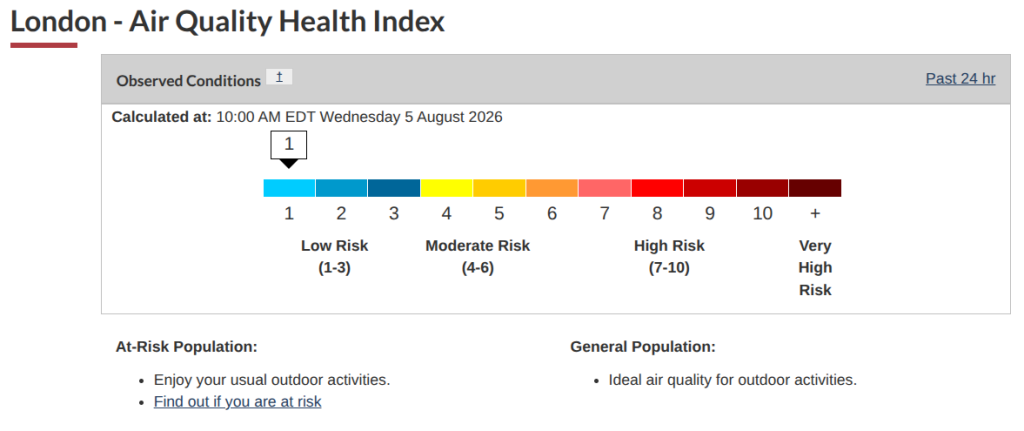
Step 1: Check the air quality before going outside.
Before heading outdoors, check Environment Canada’s Air Quality Health Index (AQHI). When air quality is poor, AQHI is either rated as 7 or higher. During these times, limit outdoor activities and stay indoors as much as possible.
Step 2: Keep your indoor air clean.
Keep windows and doors closed when smoke levels are high. If you have air conditioning, set it to recirculate. A portable HEPA air purifier can also help reduce smoke particles indoors.
Step 3: Stay active with indoor activities.
You can still stay healthy while avoiding smoky air. Try the following activities:
- Yoga or gentle stretching.
- Light strength or balance exercises.
- Reading, puzzles, or crafts.
- Video calls with family and friends to stay socially connected.
Step 4: Listen to your body.
Watch for symptoms such as coughing, shortness of breath,
chest discomfort, or unusual fatigue. Drink plenty of water and
seek medical attention right away if you experience severe
breathing difficulties or chest pain.
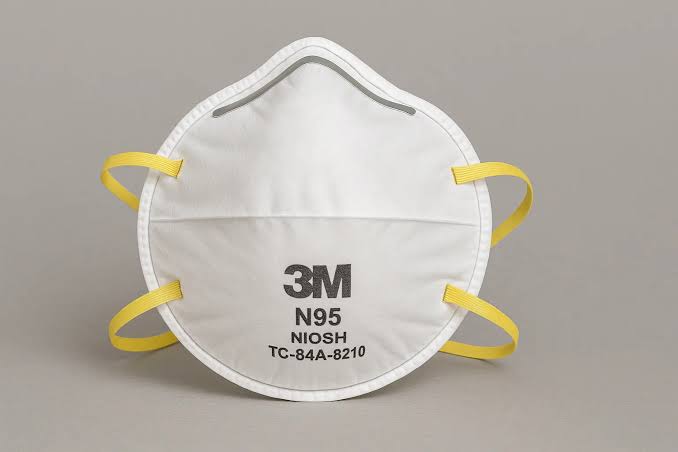
These four steps can help seniors stay safe and healthy until the air quality gradually improves. If you have to go out and expose yourself to smoke, a N95 mask will help filter out the microscopic particles in the air, although it will not block the toxic gasses.